
Pilotage Plan for the Journey from Siesta Key, Florida to St. Pete Beach, Florida
Route Overview
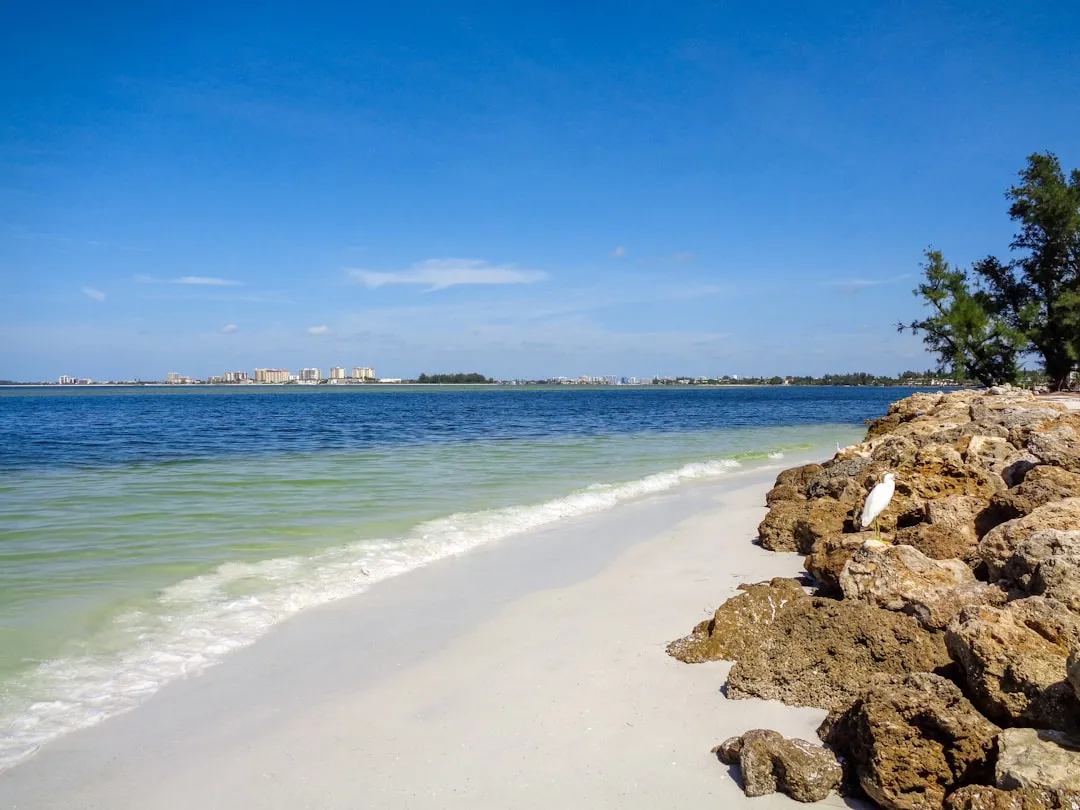
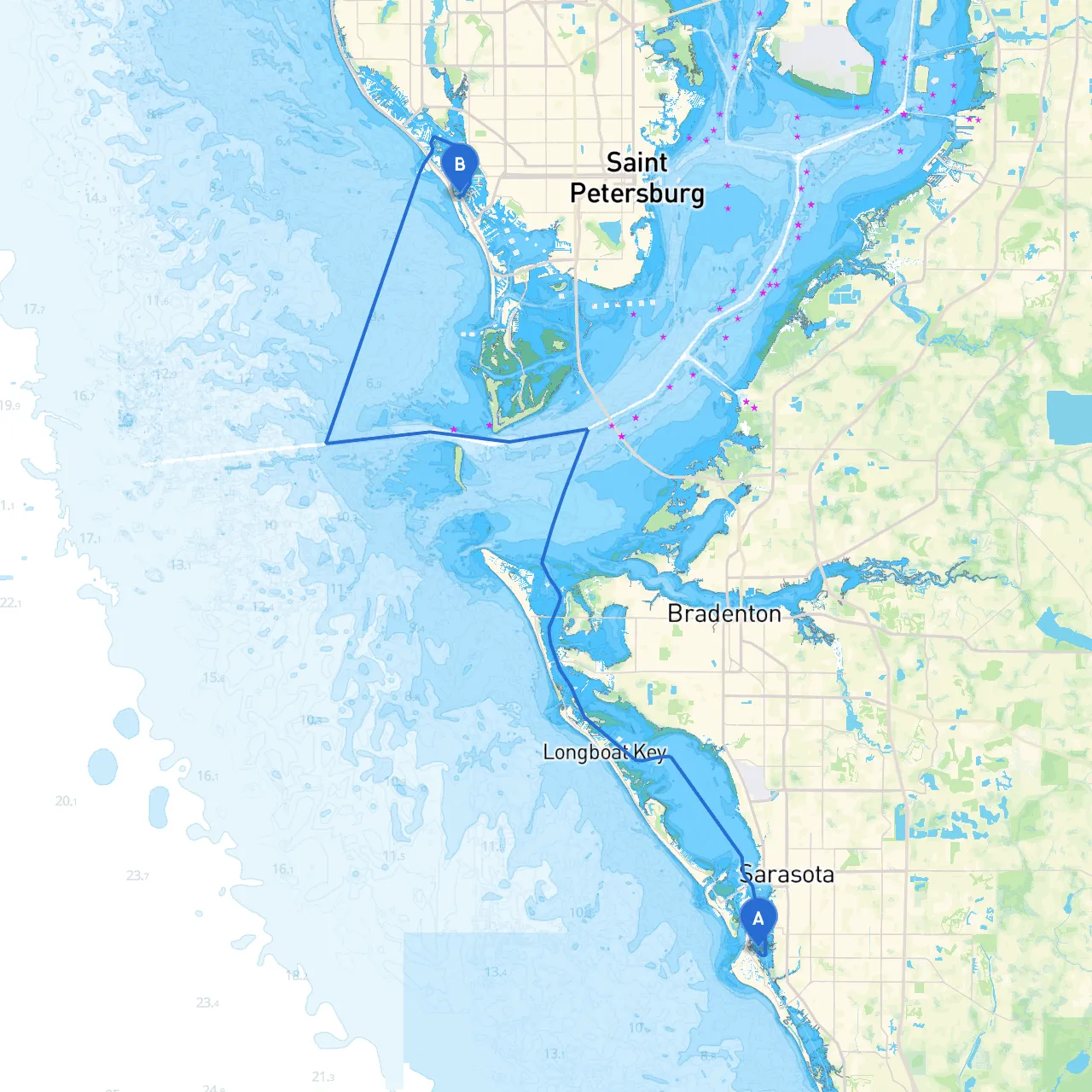
Your adventure begins in the tranquil waters of Siesta Key, known for its stunning white sand beaches and vibrant local culture. From there, you'll head northwest towards St. Pete Beach, a destination famous for its sunsets, lively atmosphere, and rich history. This route is particularly suitable for intermediate to advanced boaters, given the navigational challenges and the potential for changing weather conditions. The journey spans approximately 30 nautical miles depending on your exact route, making it feasible for a day trip or a leisurely two-day excursion.
Leg One: Departing Siesta Key
As you set sail from Siesta Key, make sure to check local weather conditions and tides. The waters around Siesta Key can experience significant tidal changes, so it's crucial to plan your departure accordingly. Head towards the channel, following the navigational markers that guide you through the shallow waters and into the Intracoastal Waterway (ICW).
Hazards: Be cautious of the shallow sandbars and shoals as you navigate out of the bay. Look for channel markers and pay special attention to tidal currents, especially in the early morning or late afternoon.
Points of Interest:
Leg Two: Connecting to the Intracoastal Waterway
Once you’re clear of Siesta Key's shoreline, make your way north along the ICW. The channel is well-marked with navigational aids, but always keep your eyes peeled for other boaters and potential water hazards like fishing nets and crab pots.
Shelter Options: If the weather takes a turn, consider diverting into a nearby anchorage like `Coon Key`, which provides good protection from wind and waves. Always have an updated chart or app handy to identify safe anchorage locations.
Navigational Aids: Look for the green and red buoys that delineate the channel. Always keep red markers to your right when heading north.
Leg Three: Heading Towards Pass-a-Grille
As you continue along the ICW, you’ll approach the Pass-a-Grille area. This quaint community offers a beautiful beachfront and is well-regarded for its vibrant atmosphere. Try and make a brief stop at the local marina or the public docks to check out the local shops and eateries.
Notable Attractions: The Pass-a-Grille Historic District is charming and features notable landmarks such as the iconic Merry Pier.
Leg Four: Making Your Way to St. Pete Beach
From Pass-a-Grille, continue your journey along the Intracoastal toward St. Pete Beach. The waters might get busier as you approach this popular destination, so maintain heightened awareness of larger vessels and watercraft.
Hazards: Potential swift currents and heavy boat traffic, particularly during weekends and holidays. Keep an eye on the local marine radio for any announcements or advisories regarding local regulations.
Shelters: Just before entering St. Pete Beach, you’ll find the safety of `Blind Pass`, which offers a quiet haven. Weather shifts can occur rapidly here, so it's wise to have a contingency plan.
Final Destination: St. Pete Beach
Upon arrival at St. Pete Beach, you will be greeted by soft sands and a plethora of activities. Popular attractions like the historic Don CeSar Hotel and local beach bars make this a perfect place to unwind after your journey.
Navigational Regulations: Familiarize yourself with local boating regulations, including speed limits and no-wake zones around marinas and busy beaches. Be mindful of the local wildlife, particularly manatees and dolphins, and adhere to safe boating practices.
Safety and Tools
Always ensure you have the following essentials aboard:
It’s also wise to equip yourself with solid navigation apps; I recommend using savvy navvy as it provides comprehensive charts, weather updates, and route planning, ensuring a smooth journey.
This route presents a wonderful opportunity to experience the beauty of Florida's waterways while prioritizing safety. Enjoy your time on the water and make the most of the serene adventures that await you between Siesta Key and St. Pete Beach!