
Pilotage Plan: Boat Trip from Miami, Florida to Fort Lauderdale, Florida
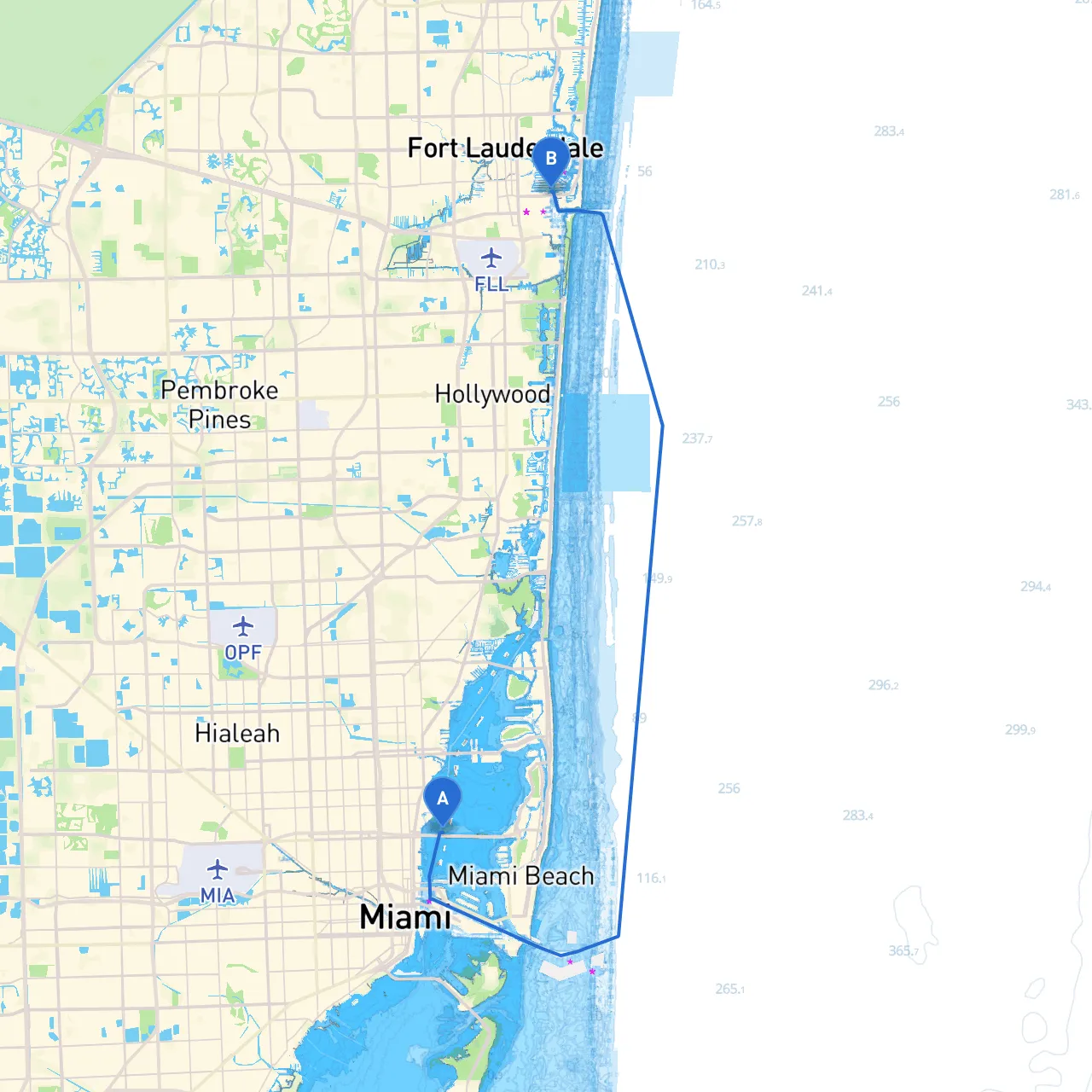
Starting Point: Miami, Florida Coordinates: -80.174446, 25.812969
Your adventure begins in the vibrant city of Miami, known for its stunning coastal scenery and irresistible lure for boaters. As you’re preparing to set sail, remember to check the local weather conditions and ensure all essential safety equipment are in order. The NOAA marine forecasts will be particularly handy.
Notable Points Along the Route:
1. Biscayne Bay Shortly after departing Miami, you’ll find yourself entering Biscayne Bay, a pristine expanse of water dotted with islands and parks. This bay offers several safe havens should inclement weather arise. If you need to take shelter, consider heading to No Name Harbor on Key Biscayne, which provides exceptional protection from winds and waves.
2. Virginia Key As you navigate toward Virginia Key, you can often see kayakers and paddleboarders enjoying the calm waters here. The islands in this area are lovely spots to drop anchor for a break, enjoy a snack, or simply take in the sun.
3. Key Biscayne Don’t miss the beautiful beaches along Key Biscayne and the iconic Cape Florida Lighthouse. Here, you can stop for a short on-land excursion to stretch your legs, get a glimpse of the historic lighthouse, and enjoy breathtaking ocean views.
4. Crandon Park Just northeast of Key Biscayne, Crandon Park offers safe anchorage if you need to wait for unfavorable weather to pass. It’s an excellent place for swimming and picnic areas, making it a perfect family stop.
Navigational Considerations: As you continue north along the Intracoastal Waterway (ICW), you’re heading into well-marked channels that provide vital navigational aids. Maintain a watchful eye for the following:
Local Restrictions and Regulations: As you navigate through various waterways and parks, keep in mind that some areas may have speed restrictions or no-wake zones. Always respect local wildlife, especially during nesting seasons, to maintain the ecological balance and avoid penalties.
Ending Point: Fort Lauderdale, Florida Coordinates: -80.12, 26.1025
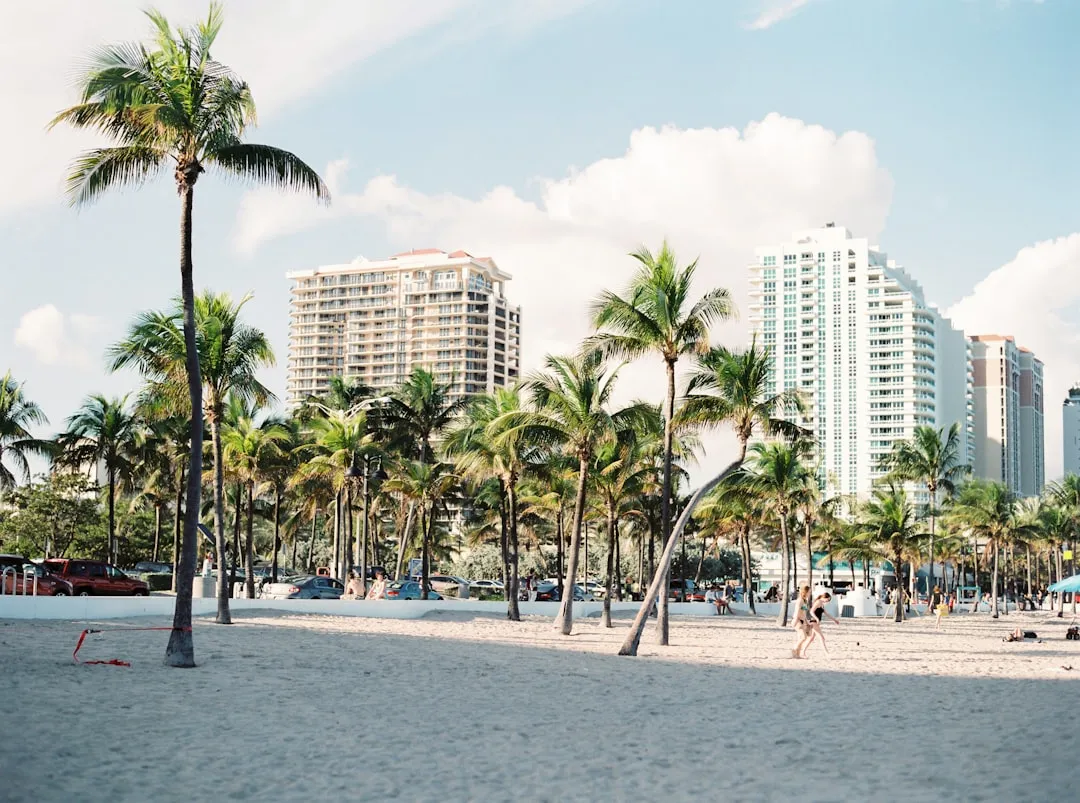
As you glide into Fort Lauderdale, take a moment to admire this boater's paradise, known for its elaborate canal system and stunning waterfront homes. Post your arrival at the marina, you may want to explore the vibrant nightlife or indulge in fresh seafood at one of the many waterfront restaurants.
Conclusion: This route from Miami to Fort Lauderdale offers an ideal balance of safety, stunning scenery, and opportunities for fun. Each stop along the way provides both protection and enjoyment—giving you the chance to recharge while enjoying the remarkable beauty of Florida's waters. Perfect for novice and seasoned boaters alike, it’s a journey filled with potential discoveries and visual delights, all while emphasizing safety and maritime awareness.
Before you embark, ensure your vessel is prepared, life jackets are accessible, and your safety gear is in top condition. Download savvy navvy for navigation support, and enjoy your adventure. Safe sailing!