
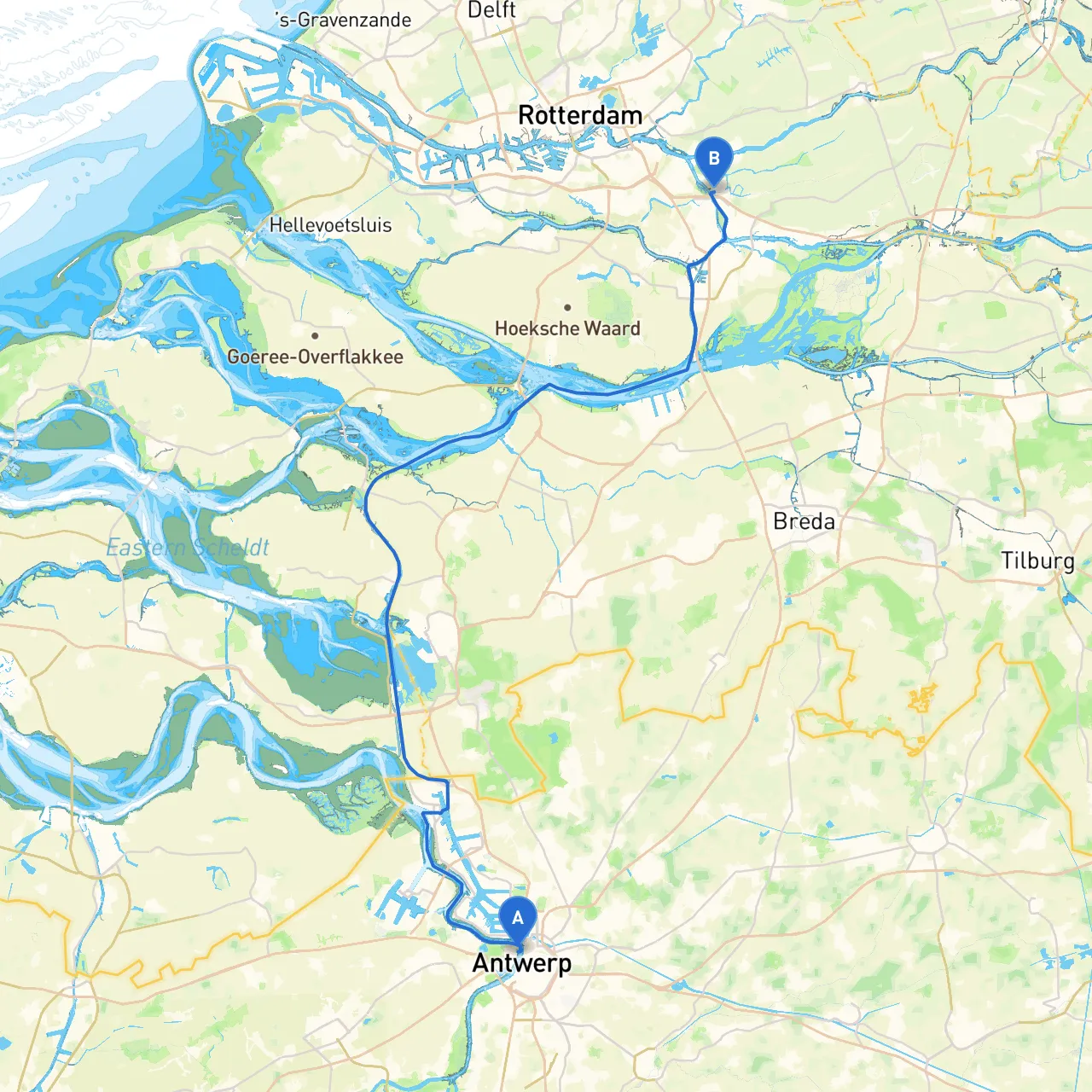
Your journey from Antwerp, Belgium to Alblasserdam, Netherlands offers an adventurous blend of vibrant waterfront cities, rich multicultural experiences, and pristine waterways. Spanning approximately 90 kilometers (56 miles), this route is ideal for experienced boaters who appreciate both the navigational challenges and the natural beauty of the waterways.
Vessel PreparationBefore departing, ensure your vessel is well-stocked with safety equipment including life jackets, flares, and a first aid kit. Check that all navigation instruments, particularly GPS and depth sounders, are functioning correctly.
Weather CheckConsult reliable weather forecasts to avoid getting caught in sudden storms. Apps such as Windy, Navionics, and savvy navvy can provide current conditions and forecasts tailored to water activities.
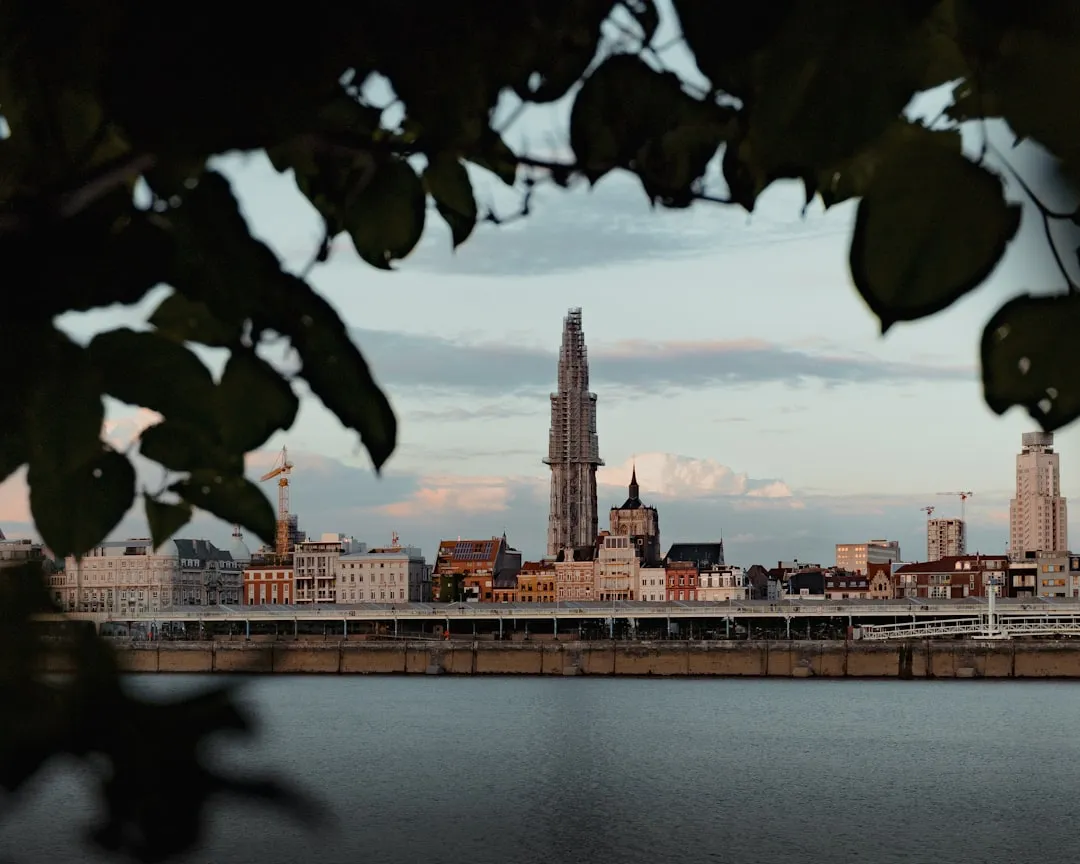
1. Leaving Antwerp - Navigate the Scheldt River, keeping an eye on local traffic. The Scheldt is busy with commercial shipping, so maintain a lookout and communicate via VHF channel 16 to ensure safe passage. - Notable Landmark: The impressive Antwerp Cathedral can be glimpsed from the river, a beautiful blend of Gothic architecture silhouetted against the skyline.
2. Passing through Willebroek and the Willebroek Canal - Proceed onto the Willebroek Canal. This section is narrower, and you should reduce speed to avoid wake for vessels in close quarters. - Be vigilant for individual anchorage zones, and remember that staying within marked channels is essential to avoid underwater hazards.
3. Intermediate Stop: Willebroek - Consider stopping at Willebroek, where there are docking facilities. Explore local shops or enjoy a meal before continuing. The town gives you a more intimate view of Flemish culture.
4. Navigating the Zenne River - Continue towards the Zenne River, observing your maps carefully. The Zenne is less busy than the upper canals but still requires cautious navigation due to its bends and occasionally shallower waters. - Points of Interest: The Zenne Valley offers beautiful natural scenery, perfect for a quick lunch break or nature walk if you pull up to a safe mooring.
5. Approaching the Rupel River - As you approach the Rupel River, check for tide schedules as currents can be strong. The Rupel also opens to larger vessels, so maintain awareness of your surroundings. - Sheltering Spots: Look out for spots along the banks suitable for temporary anchorage. If conditions worsen, consider seeking refuge near Hemiksem where facilities wait nearby.
6. Crossing into the Netherlands - As you cross into the Netherlands, navigate towards the Nieuwe Maas River, which leads to the Port of Rotterdam. - Take care to monitor VHF communications, as the area is frequented by large commercial vessels.
7. Final Destination: Alblasserdam - The journey to Alblasserdam is straightforward but busy. Look out for the Alblasserdam bridge, which can be an important navigation point. - Key Hazards: Strong currents near the bridge can present challenges for larger boats.
The serene landscape of Alblasserdam welcomes you. The town is a charming place to explore Dutch culture, with local attractions including historical windmills and scenic walking paths along the water.
In summary, this trip not only supports safe navigation through well-mapped territories but also allows the boater to enjoy scenic views and rich culture. With preparation and attentiveness, this journey will be both safe and memorable. Happy boating!