

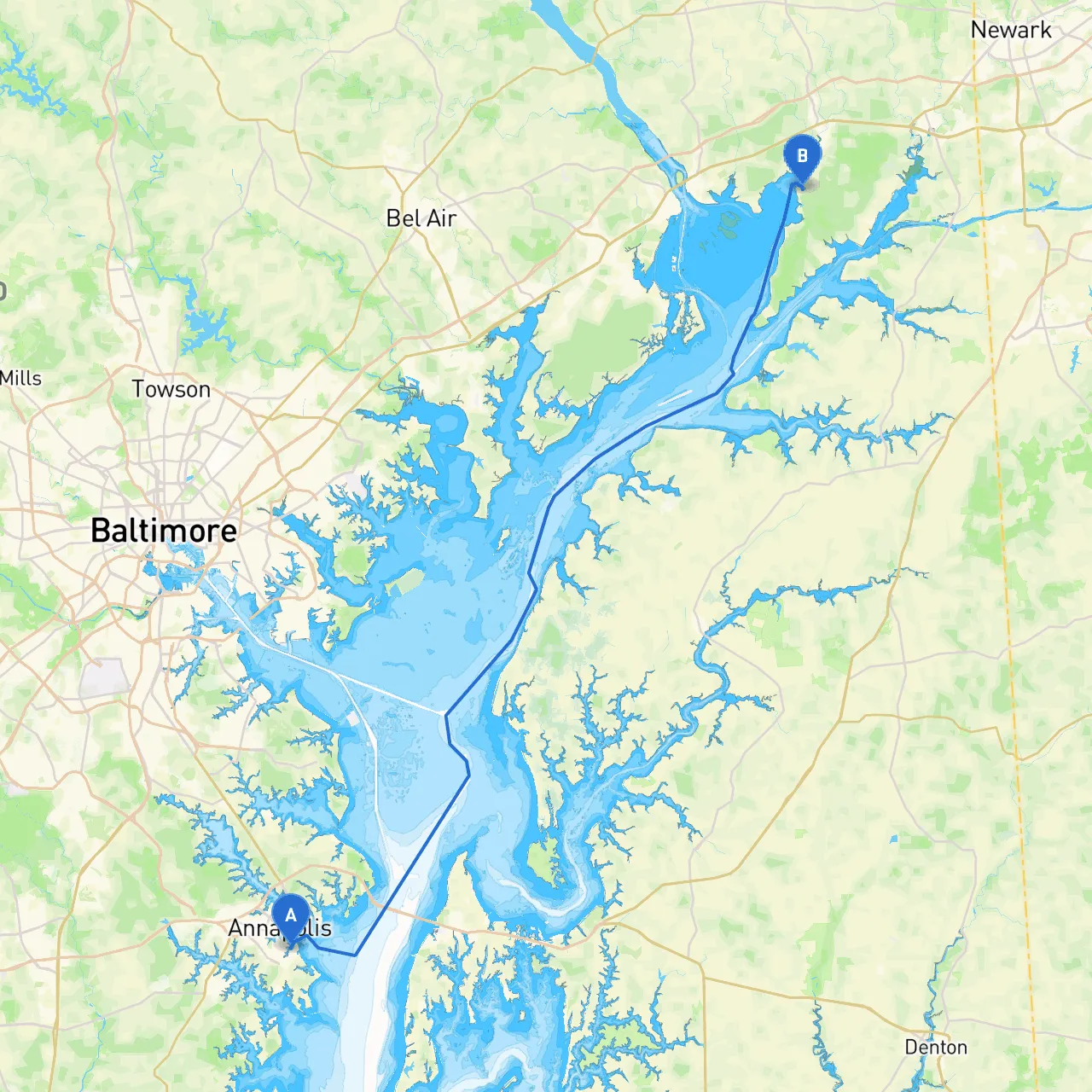
Overview of the Trip This journey from Annapolis to North East is approximately 30 nautical miles, navigating through beautiful waterways and offering opportunities for both shelter and exploration. The route is well-suited for experienced day sailors and cruises, ideal for those looking to blend a bit of adventure with scenic views, while ensuring safety remains the top priority.
Leg 1: Departure from Annapolis Starting your trip from historic Annapolis is a delightful experience. This vibrant city not only offers countless charm and maritime history but also numerous amenities for provisioning and preparing for your voyage. Before setting sail, make sure to check the weather forecast — sudden storms can develop in the Chesapeake Bay area.
As you depart the harbor, be mindful of traffic. The waters around Annapolis can be busy with sailing vessels, motorboats, and larger yachts, particularly on weekends. Follow the navigational markers closely — the Eastport Bridge is a useful land reference as you head out of the Severn River.
Leg 2: Navigating the Chesapeake Bay Once you reach the broad expanse of the Chesapeake Bay, you’ll face open waters. The first significant point of interest is Sandy Point State Park, located on the western shore. Although it may not be an official stopping point, it provides breathtaking views and safe anchorages in case of harsh weather.
As you traverse the bay, keep an eye out for navigational buoys like the various lighted markers lining your route and the shipping channels. These are vital for guiding your navigation, especially in reduced visibility. The Navy Fleet may occasionally conduct exercises in the area, so be alert to any military traffic notifications, which can typically be found through local marine radio channels.
Leg 3: Entering the Elk River Approaching the Upper Chesapeake, you’ll prepare to enter the Elk River. This section of the trip offers a nice contrast as you transition from the open waters of the bay into a more sheltered river.
As you enter the Elk River, you’ll want to be vigilant near the mouth, as the tidal currents can be strong and unpredictable. Look out for the Elk River Light (Fl W 4s 171ft), a helpful marker that indicates the entrance. The river itself is quite navigable, but pay attention to shoal areas, especially along the eastern shore where the water shallows abruptly.
Leg 4: Points of Interest along the Elk River Cruising along the Elk River allows for some interesting stops. Consider making a short detour to explore the town of North East, a quaint fishing community rich in history. From the water, you can catch a glimpse of charming waterfront eateries and marinas -- perfect for a leisurely lunch as you prepare to complete your journey.
While you’re near the shore, having some of the local knowledge is useful. Anchor at the North East Town Park if you need a quick stop for lunch or a walk on dry land; it’s a good spot to stretch your legs before the last leg of your journey.
Final Approach to North East As you prepare to dock in North East, keep in mind that the channel can become quite busy with local boating traffic, particularly during the summer months. The North East River is also a popular destination for other cruisers, ensuring ample opportunities for socializing and community.
Upon approaching the marina, carefully follow the designated channels and heed any local signage regarding speed regulations and wake requirements to ensure a safe and pleasant arrival. Also, be aware of any seasonal restrictions regarding fishing and wildlife conservation areas in the vicinity.
Safety Considerations & Navigational Aids Before setting sail, ensure that your vessel is equipped with essential safety gear, including life jackets, flares, a first-aid kit, and a working marine VHF radio. Keep your navigation apps updated; I recommend using Savvy Navvy, which provides detailed charts and AIS data that can help you track nearby vessels.
Stay informed about the local weather through reliable apps or NOAA weather radio. Tidal changes are significant in the Chesapeake, so plan your navigation accordingly to avoid unexpected shoals.
Summary of the Trip In conclusion, this trip offers a blend of adventure, beautiful waterfront sights, and shelter opportunities through diversions, all while prioritizing safety and navigation. It’s suitable for both experienced sailors familiar with open waters and those looking to enjoy the local scenery, providing a great opportunity to connect with the Chesapeake's rich maritime culture.