
The boats are out of the water, and the moorings are quiet. For most boaters in the colder, darker hemispheres, winter means waiting.
But for instructors and sailing schools, the off-season is one of the most valuable windows of the year.
Savvy Navvy is working with qualified boating instructors to bring digital-first navigation into the classroom through dedicated Professional accounts. The idea is simple: students should practise navigation using the same tools they’ll rely on on the water and that includes digital navigation apps.
Every summer, boaters have that “aha” moment and decide to brush up on their skills, but often this idea comes too late, courses are fully booked, instructors are at capacity, and the season slips away while they wait for a slot. That’s why winter is the ideal time to get pre-season ready.
Here's how instructors, schools and their students can make the most of the months ahead.
1. Pre-season training: refresh the fundamentals
Navigation rules evolve, regulations vary by region and emergency procedures need to feel instinctive, not vague. Winter is the ideal time for students and instructors to revisit boating essentials.
Whether it's a full course for beginners or a targeted refresher for experienced boaters, signing up with an accredited sailing school before the season starts can make a meaningful difference to confidence and safety on the water. RYA, ASA, US Sailing and AS-accredited schools offer structured programmes that cover everything from collision regulations and buoyage to local requirements and emergency protocols.
It's worth noting that many instructors and training providers are also happy to offer private consultancy visits, a paid safety check on a student's own vessel. If it's not advertised, it's often worth asking, as this reassurance can provide great peace of mind when summer comes.
2. Safety equipment audit: Know what you have and how to use it
A safety check isn't just a box-ticking exercise; it's a practical skill that's easy to let slide when the season ends and equipment gets packed away.
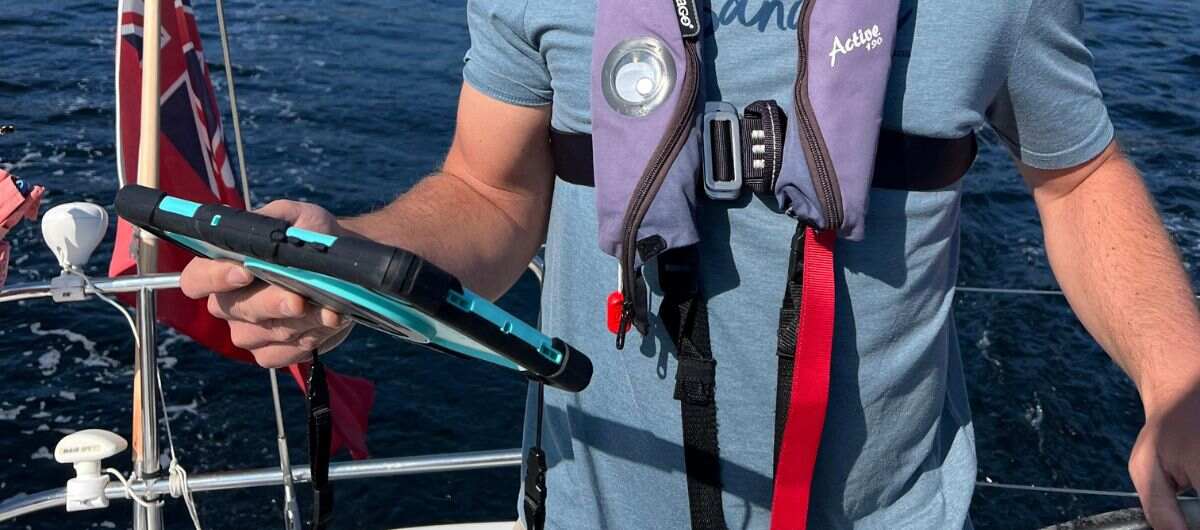
Winter downtime is the perfect opportunity for boaters to carry out a thorough audit of their onboard safety gear before the season begins. This might include checking expiry dates on flares and fire extinguishers, inspecting life jackets for wear and correct inflation, getting a liferaft inspected and confirming that every piece of safety kit is in working order. More importantly, this is a good time for boaters to refamiliarise themselves with how to use all of the safety kit onboard, as ultimately, safety equipment is only as effective as the person trained to use it.
If a student isn't confident doing safety checks independently, directing them to a local accredited instructor or equipment auditor is a genuinely useful referral. Partners like RNLI in the UK provide excellent water safety resources, and organisations like BoatUS and Sea Tow, whose locations are visible directly in Savvy Navvy, offer practical safety support for boaters across the US. Pointing students toward these resources is part of building a culture of safety that extends beyond the classroom.
3. Mechanical and structural checks
This is often where new boaters feel least confident. Sharing a practical pre-season checklist as part of winter coursework gives students something tangible to take away and reinforces the kind of self-sufficiency that makes them safer boaters.
A solid pre-season check should cover:
- Engine and fuel: Oil levels, coolant, transmission fluid, fuel lines and filters checked for leaks or cracks, propeller inspected for damage, and the engine run to confirm it's not overheating.
- Electrical systems: Batteries reconnected and fully charged, terminals cleaned and tightened, all navigation, anchor and interior lights tested.
- Hull and structure: Inspected for cracks, blisters or visible damage, all seacocks tested to confirm they open and close smoothly.
- Bilge system: Both manual and automatic bilge pumps tested and confirmed operational.
- Trailer (if applicable): Tyre pressure and wear checked, wheel bearings inspected, all trailer lights tested.
- Safety equipment: as mentioned above
4. Practise at home: Savvy Navvy's couch-to-boat approach
This is where digital-first navigation comes into its own and why Savvy Navvy's Professional accounts are designed with instructors in mind.
The classroom doesn't have to stop at the classroom door. Savvy Navvy is built so that students can plan passages at home, get familiar with digital charts, practise reading buoyage and explore navigation features long before they step aboard. Everything they set up in the app travels with them in their pocket, so it's ready to go the moment they're on the water.
For instructors, this creates a powerful continuity between theory and practice. When students arrive at a lesson having already planned a route, explored tidal flows or familiarised themselves with chart symbols, the classroom conversation changes. It becomes richer, more practical and more relevant and students can take the practical skills they learn in the classroom and immediately apply them onboard.
There's a full YouTube playlist of how-to videos covering Savvy Navvy's navigation tools, from basic route planning to tracking your live location, sharing your route, downloading charts and much more. This is a ready-made resource to share with students for practice during the winter months. The help articles library is equally useful for brushing up on digital navigation concepts at their own pace.

The bigger picture
There's a broader shift happening in how boating is taught. Students arrive at courses already accustomed to navigating their lives digitally in their daily lives. Meeting them with the same tools they'll actually use rather than asking them to translate analogue skills into a digital world later makes instruction more effective and makes boaters safer and more confident.
Winter is the window to do that groundwork and with Savvy Navvy Professional accounts giving instructors and schools a direct route to bring digital-first navigation into their teaching, the off-season doesn't have to be downtime.
It can be the foundation for a safer, better-prepared season ahead.
Are you a sailing instructor or school looking to bring digital navigation into your curriculum?
Contact David Cusworth to find out how to apply.

